Cheong Fatt Tze: Beyond indigo walls
We arrived at the Blue Mansion after dark, the ferry from Butterworth gliding across the Strait of Malacca towards a shoreline of lights. George Town had long occupied a place in our imagination — not only for its UNESCO streets and layered history, but for the food culture that made Anthony Bourdain call it one of the best food destinations in the world. Chinese, Malay, Indian and Peranakan influences converge here in a way few places manage, making the island feel less like a destination and more like a crossroads.
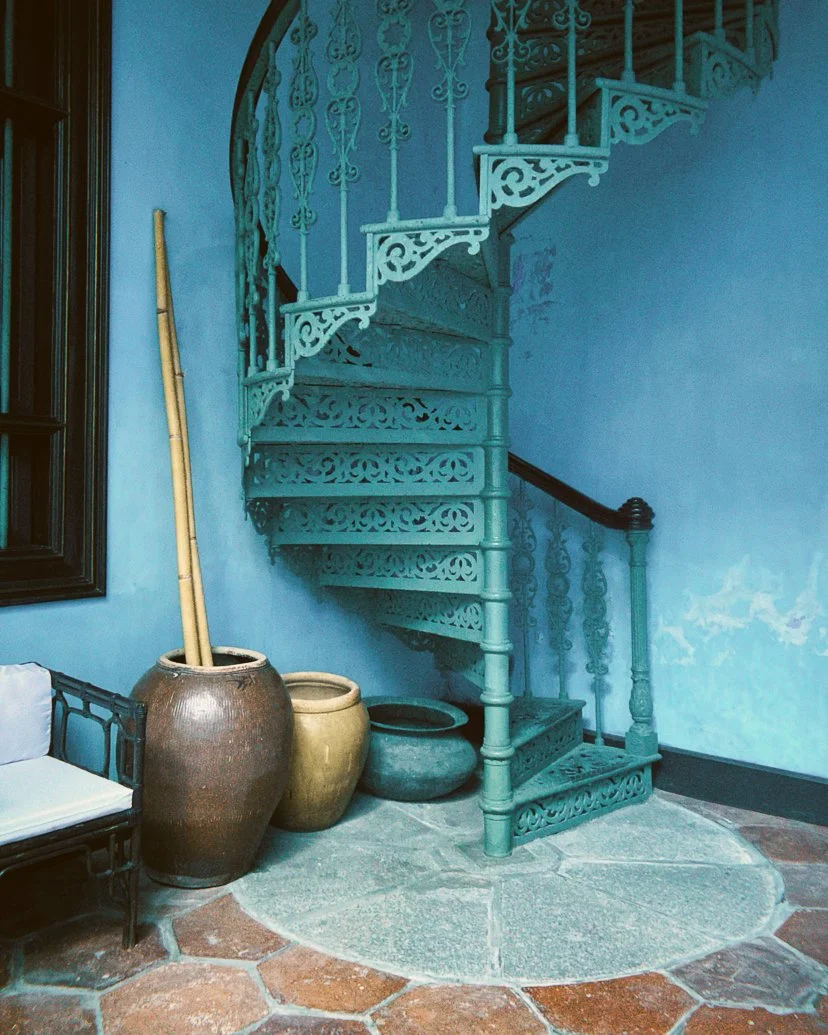
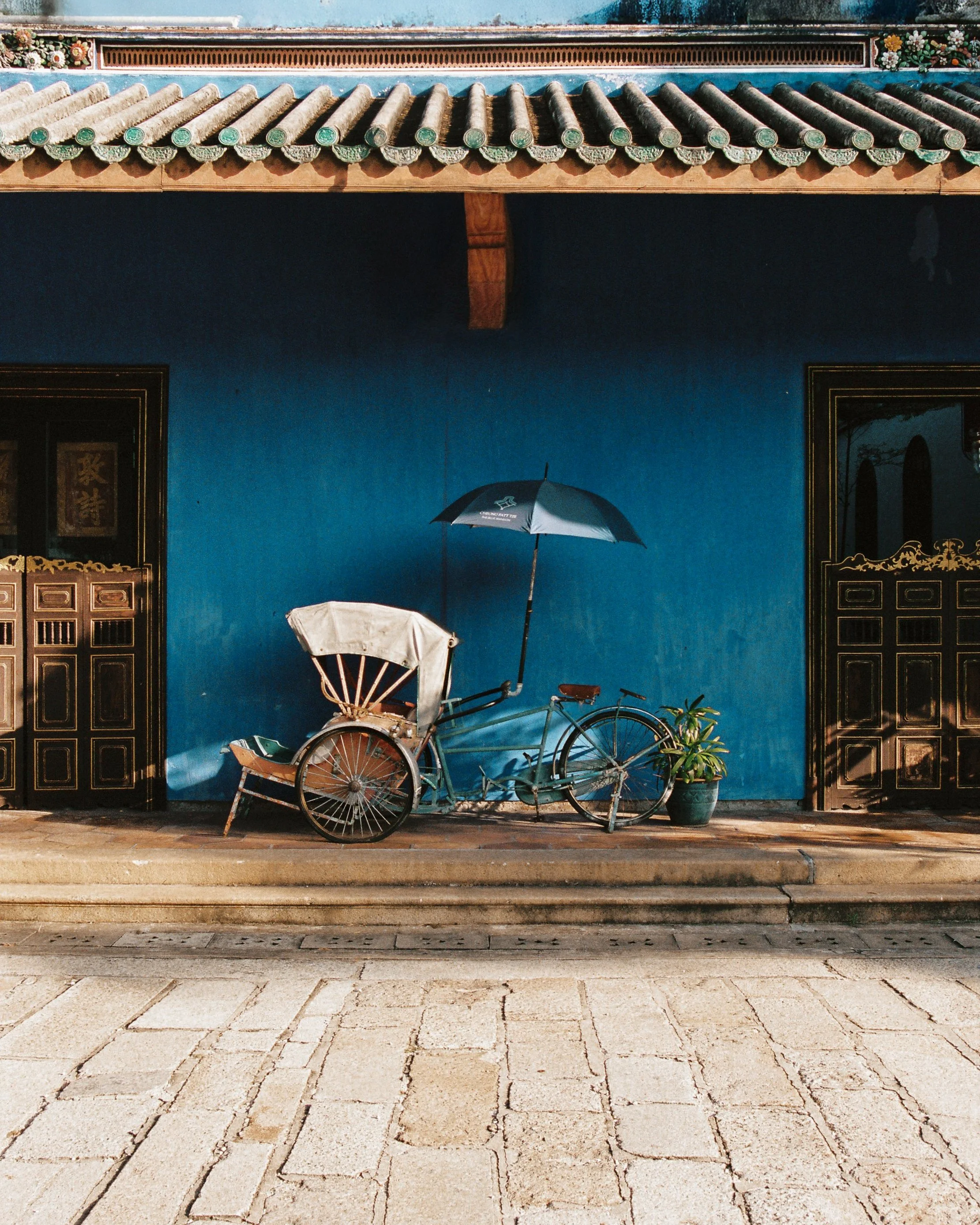
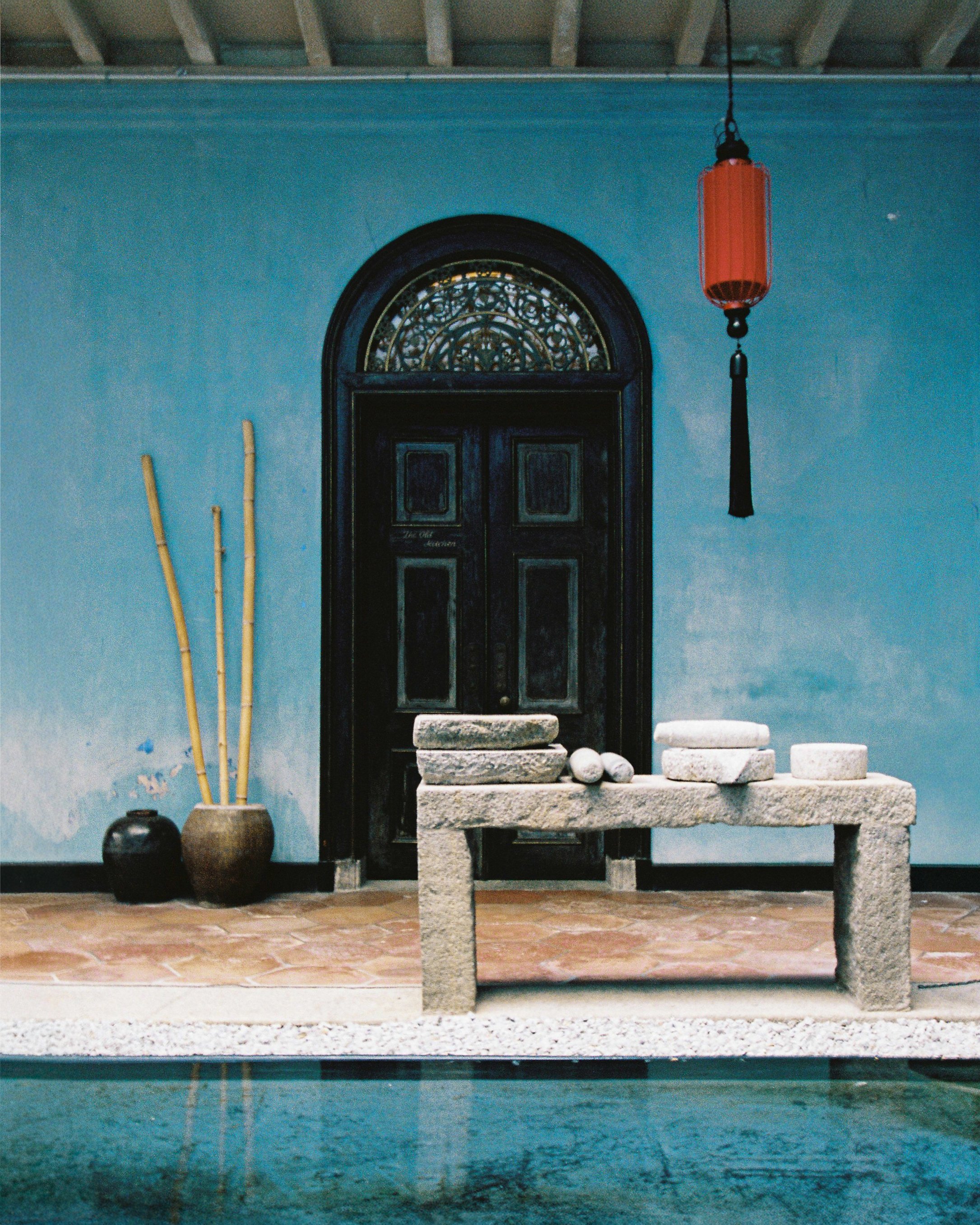
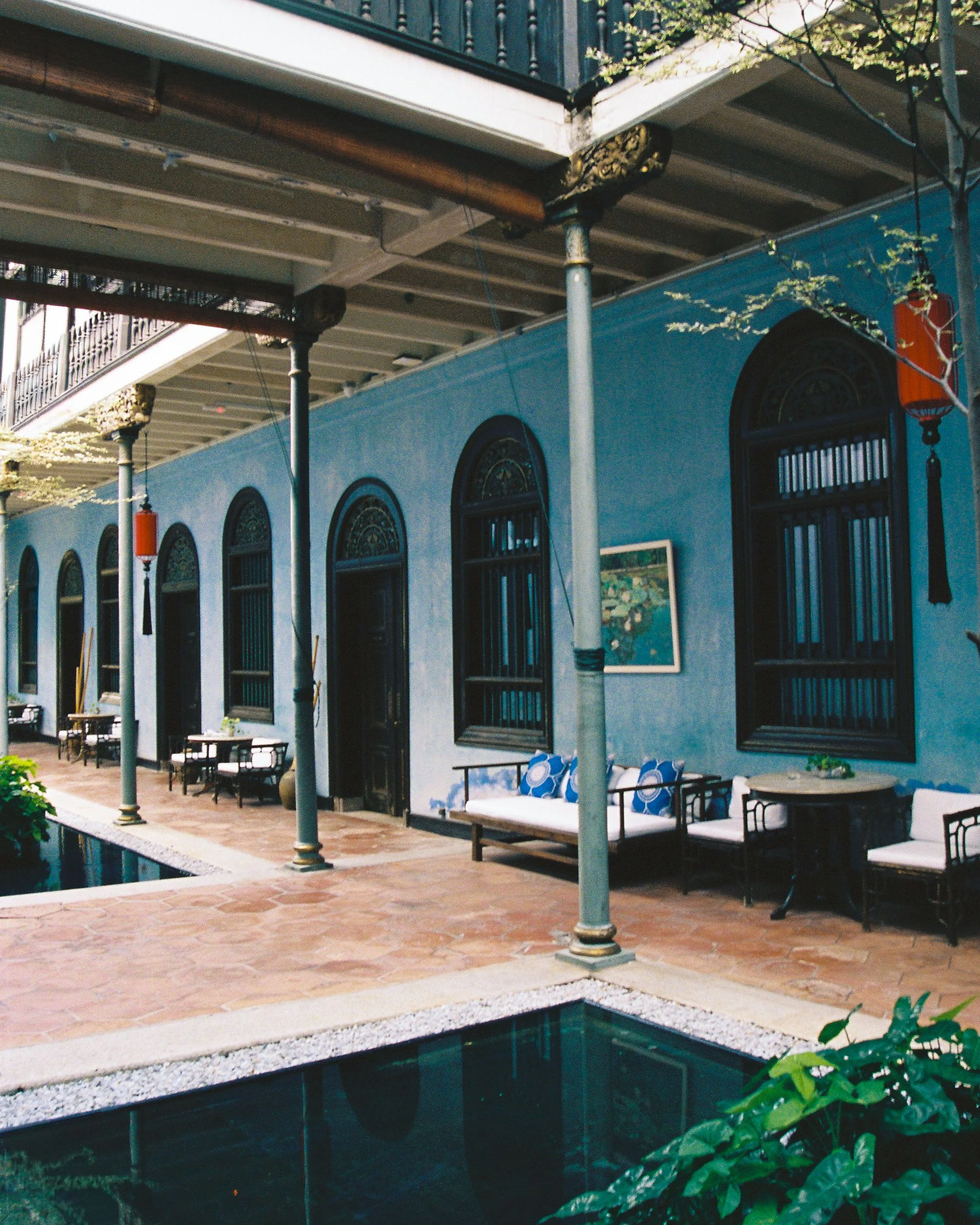
Waiting for us at the end of the crossing was Cheong Fatt Tze's Blue Mansion. Built at the end of the nineteenth century by the Chinese merchant Cheong Fatt Tze, the indigo mansion remains one of the finest examples of Chinese courtyard architecture outside China. More than a century later, its walls still carry the weight of countless stories — business deals, family gatherings, diplomatic meetings and the quiet rituals of daily life.
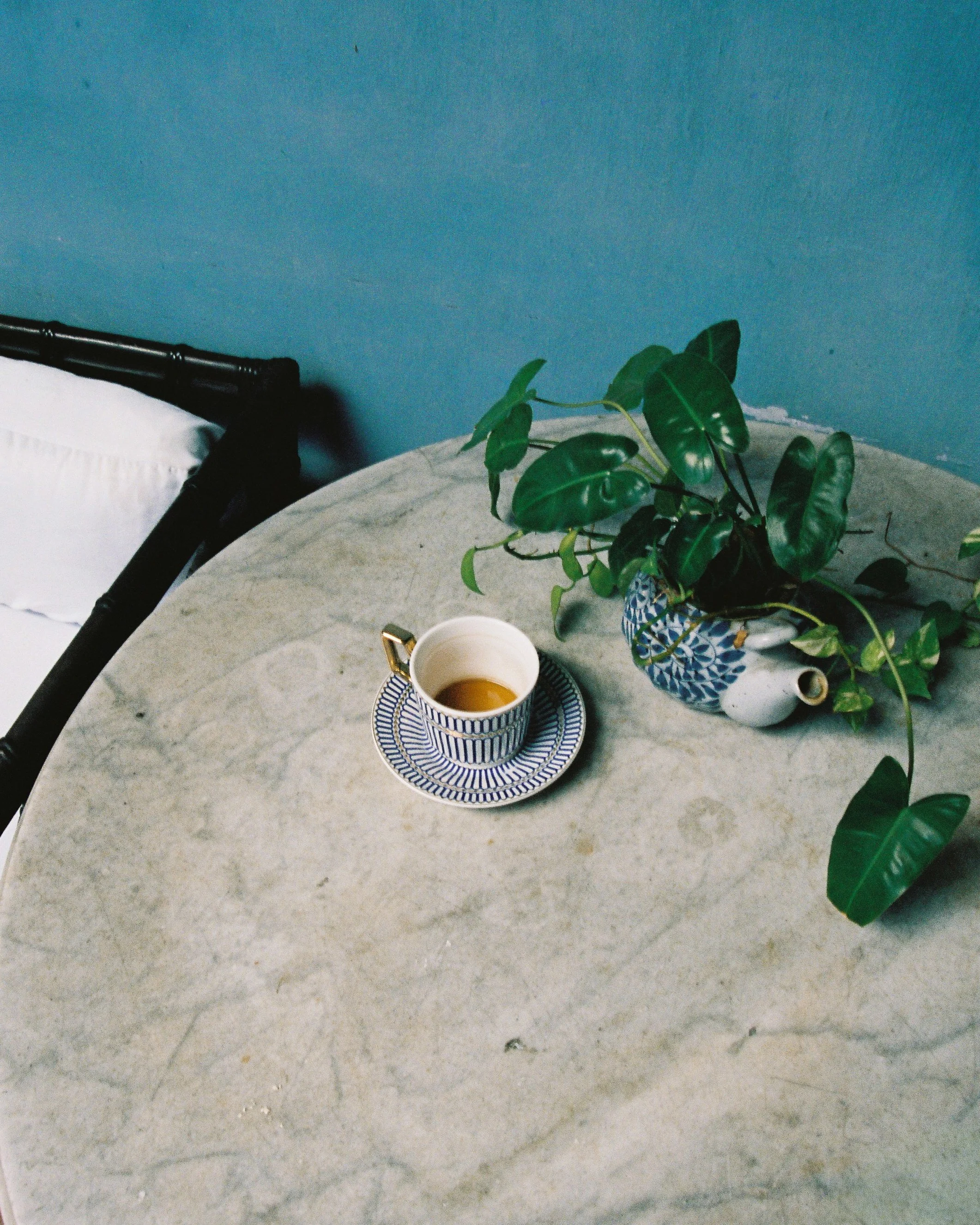
Our stay, however, began across the street at Qing Suites, the mansion's recently opened sister property. The arrival experience immediately sets the tone. Four doors line the façade, each opening onto a different aspect of Chinese culture. One leads to reception, another to a traditional tea room where centuries-old rituals unfold slowly over porcelain cups. A third reveals an archive space dedicated to the mansion's history, while the fourth opens into a room devoted to Traditional Chinese Medicine. Together, the spaces feel less like a hotel facility and more like a combination of experiences that define the local way of life.
That sense of cultural immersion extends to the dining experience. We rarely write about food, but in Penang it feels impossible not to. At Indigo, chef Kim Hock Su reinterprets the island's culinary heritage through a contemporary tasting menu inspired by local classics such as ngor hiang, assam pedas and the communal toh panjang feast. Later, beneath the century-old mango tree at Mangga, live music and evening drinks completed a scene that felt unmistakably Penang — relaxed, multicultural and vibrant.
By the time we checked out, it became clear that Cheong Fatt Tze offers something beyond a beautiful heritage stay. Through tea ceremonies, traditional medicine, architecture and food, it creates meaningful encounters with Chinese culture. And in a city built on centuries of cultural exchange, there may be no better way to understand Penang than through experiences like these.