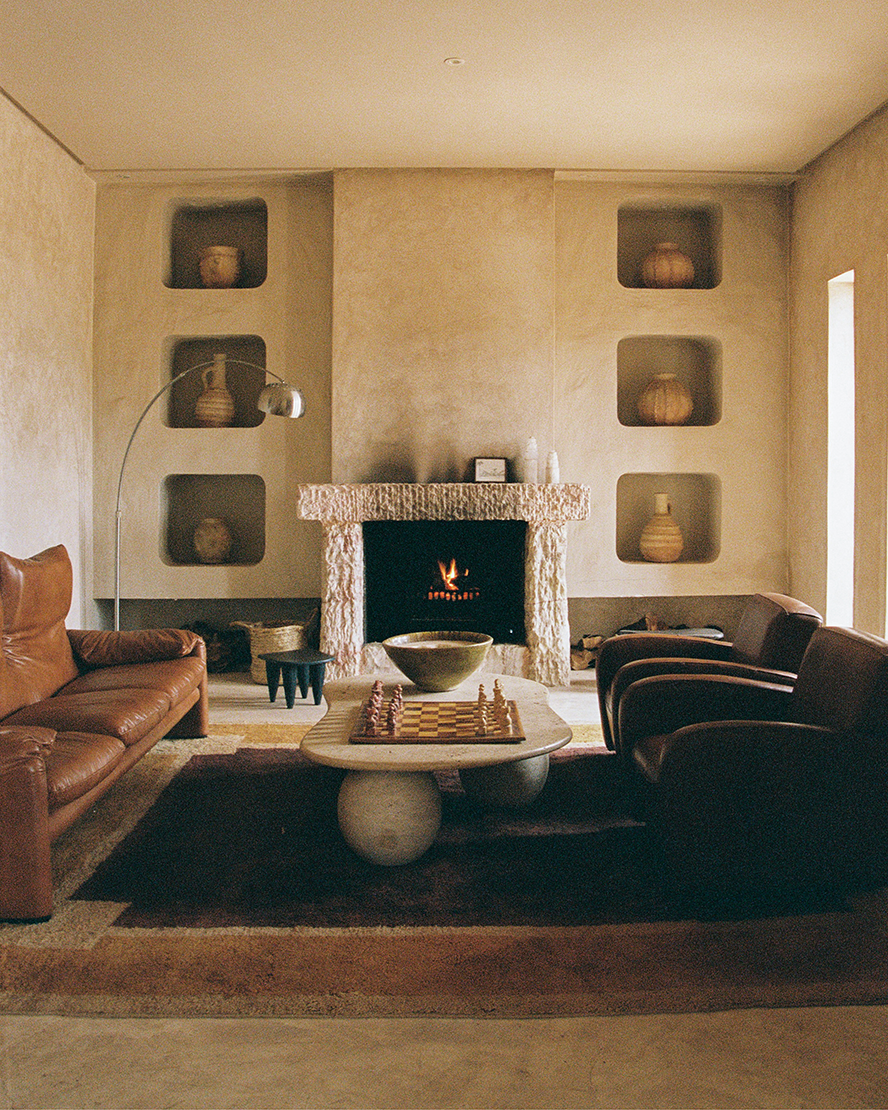
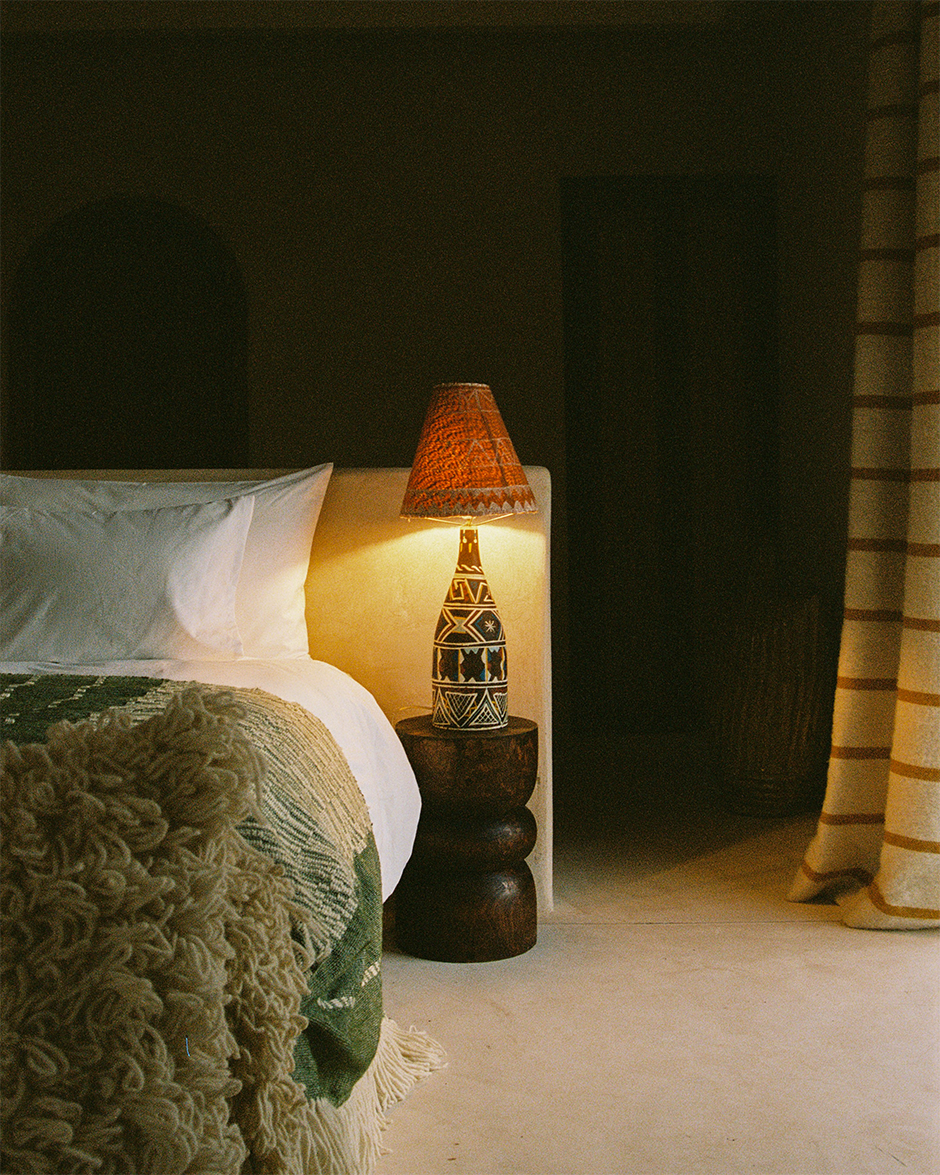
Farasha: The quiet edge of Marrakech
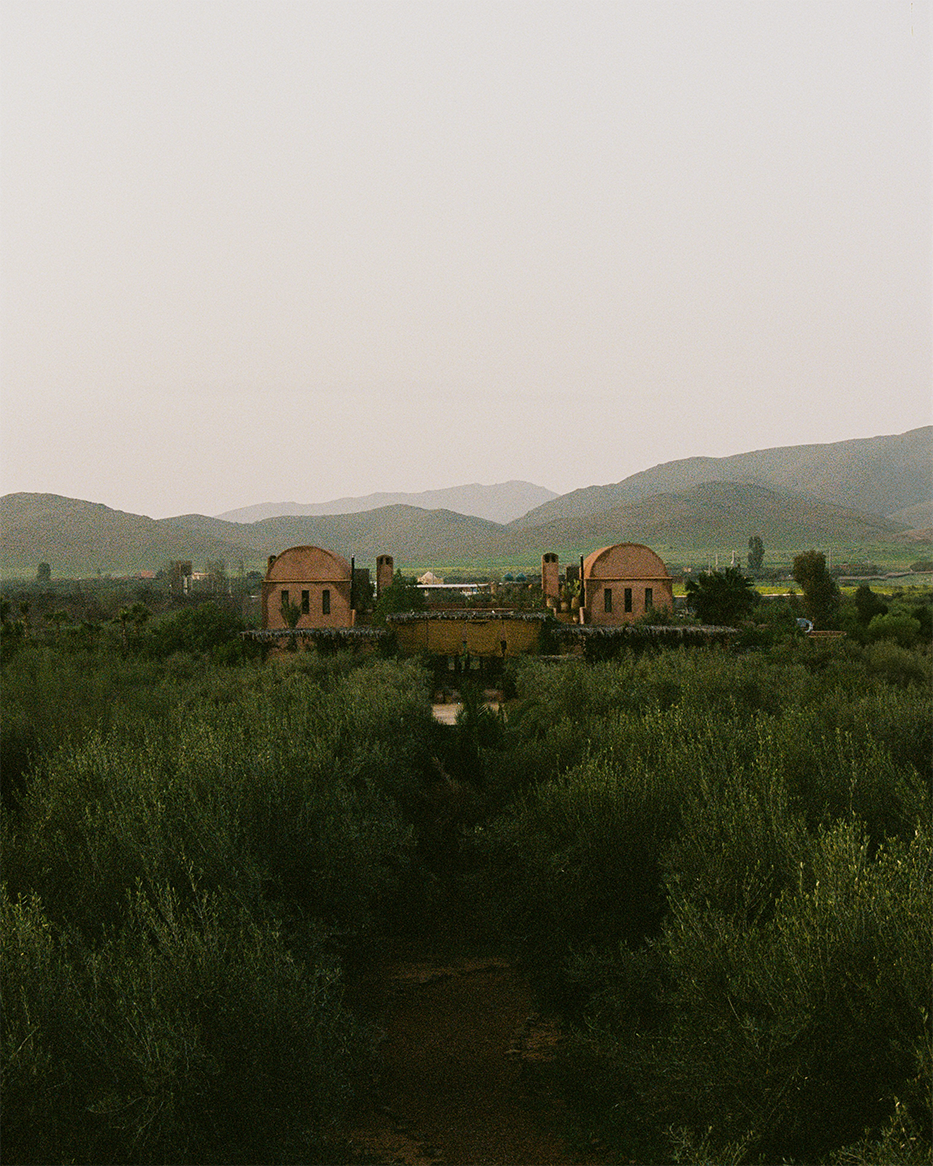
Imagine leaving behind the bustling energy of Marrakech, the city gradually fading into the horizon as you drive toward the tranquil Atlas foothills. The air softens, carrying the earthy scent of olive groves. This is the journey to Farasha Farmhouse—a place where time slows, the soul finds its rhythm, and the experience begins long before you reach the door. Upon arrival, a walkway leads you into the farm, argan shells crackling under your feet, and Luna one of the two house dogs, greets you, embodying a homey hospitality that eschews formality in favor of warmth.
Our conversation with Rosena, one of the visionaries behind this oasis, revealed a story not of a planned venture, but of a profound “love affair” with Marrakech, sparked by a single, unforgettable day in 1998. Invited on a trip, she remembers a “crazy experience” that instantly captivated her, setting in motion a gradual, irresistible pull away from her life in London and Ireland. Over time, she found herself “just going back less,” until Marrakech became unequivocally home—defined “for sure” by its “hospitable, very generous, very warm, super friendly” people.
Rosena confessed to us a deep yearning for a specific kind of sanctuary, a space she herself, as a customer, yearned for. Already immersed in experience design and electronic music, she envisioned a venue where one could be fully themselves, dive into creativity, connect with nature, and wander along long, contemplative hikes. Born from a desire to “keep the creative community together,” Farasha began as a farm-to-table restaurant with only 4 suites (now 11), organically growing into a guesthouse equipped to welcome small parties, retreats, friend getaways, and nature immersions. The land itself was chosen with intention, nestled "between two mountain ranges," its "very good energetic vibration” resonating deeply.
At the heart of Farasha is a philosophy deeply rooted in sustainability, not one that feels forced, but as a natural way of life in Marrakech. Rosena reflects that "we live very sustainably because we're not surrounded by fast fashion and consumerism." Here, “almost everything is made within a few kilometers of the farm," fostering a profound connection to local artisans and producers.
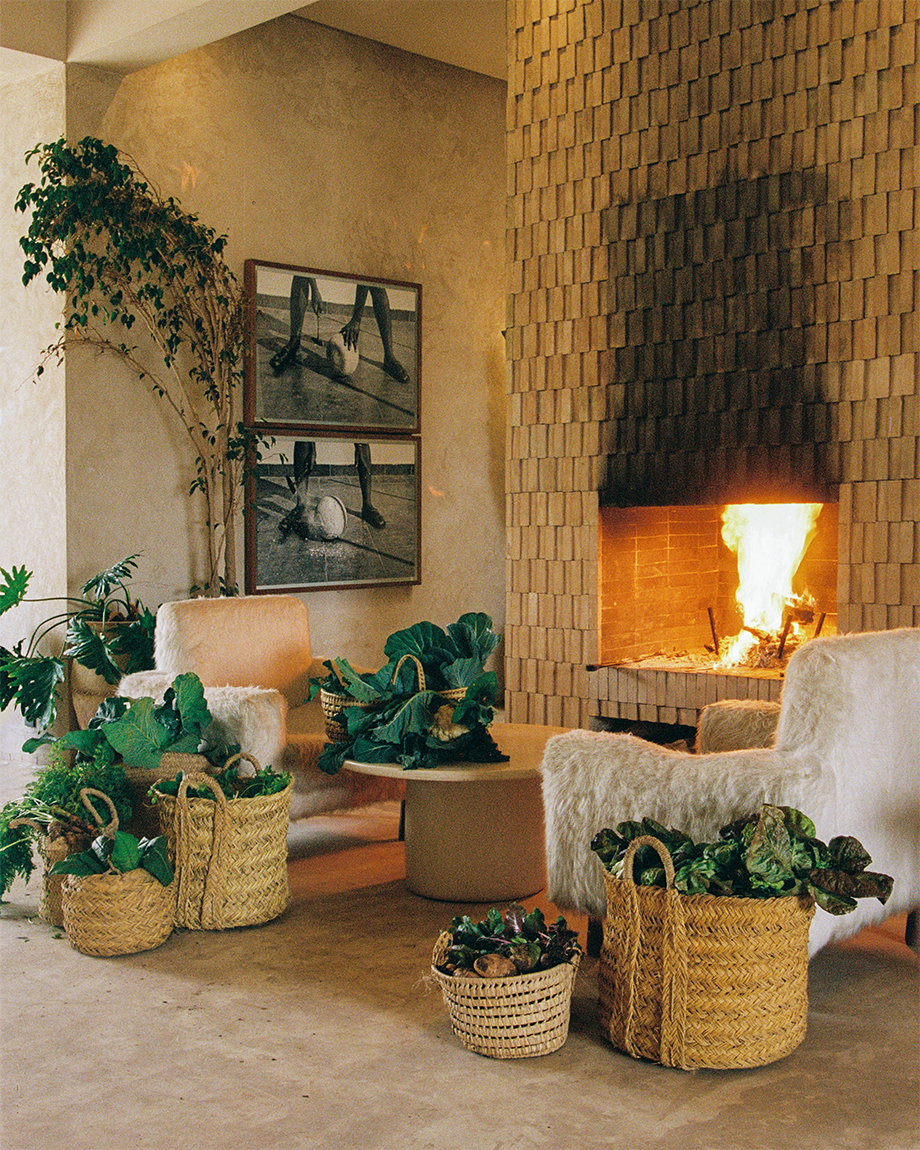
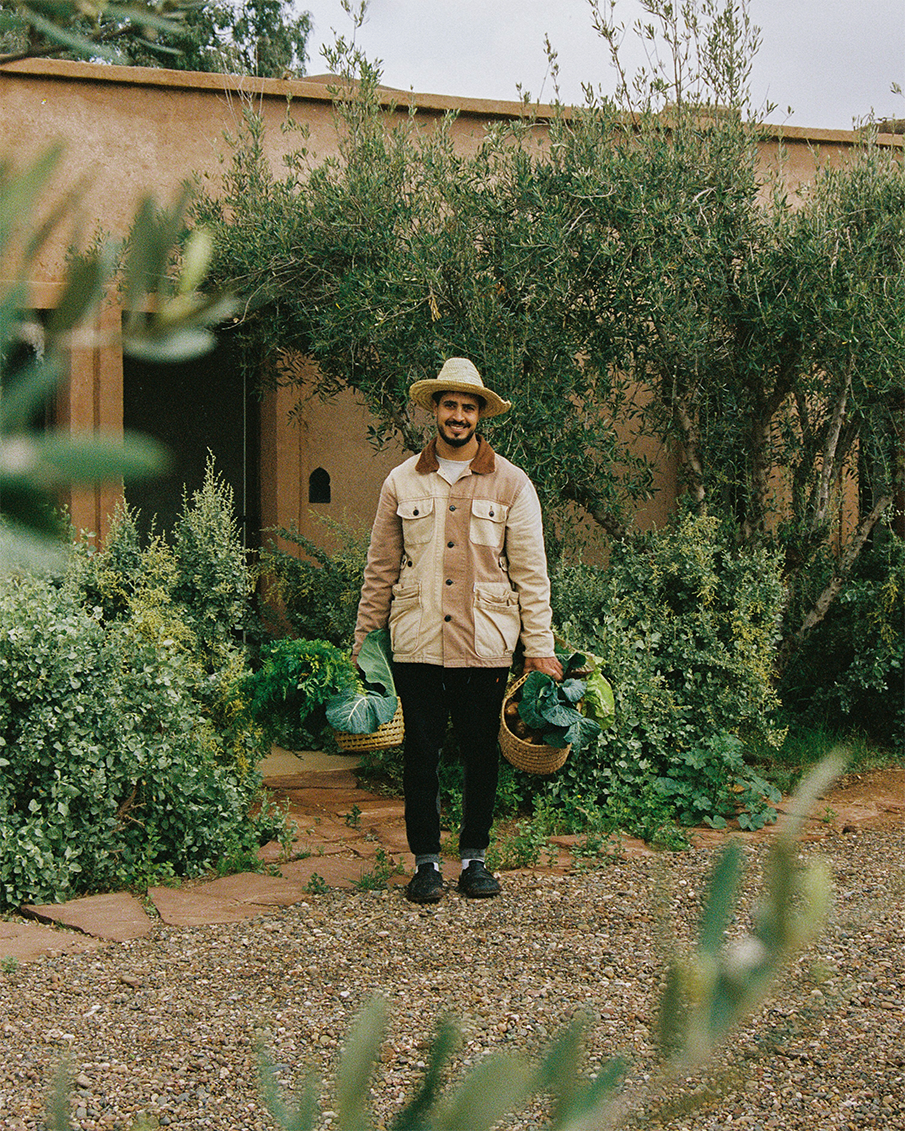
The farm-to-table approach extends beyond the kitchen, embracing seasonal eating—"we eat pomegranates every day for a month, and then we don't eat them for the rest of the year”—a playful, creative constraint that encourages using "the things that we have around us." This ethos ensures the food is naturally healthy, the produce is good and unprocessed, offering guests a true taste of the land—not to mention its incredible flavors, which quickly became one of our favorite highlights.
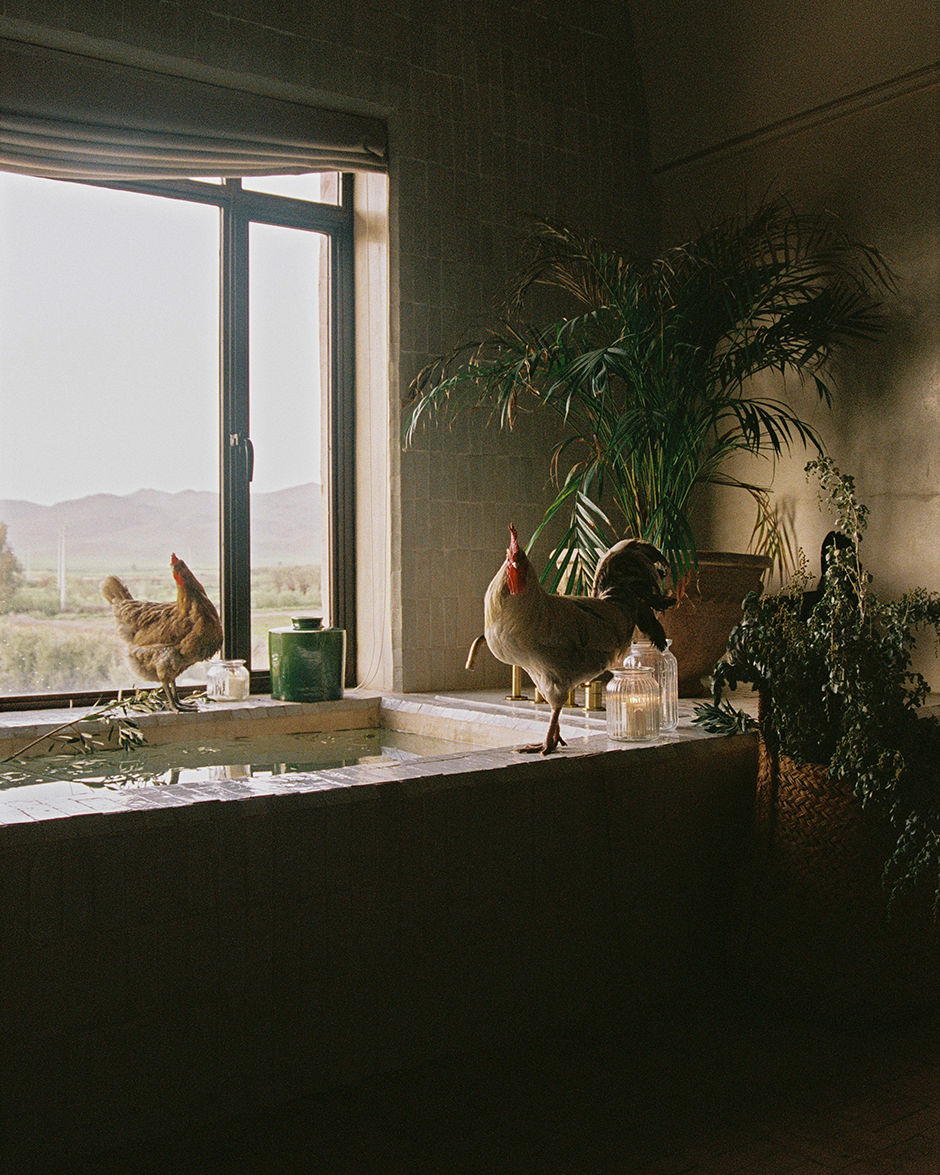
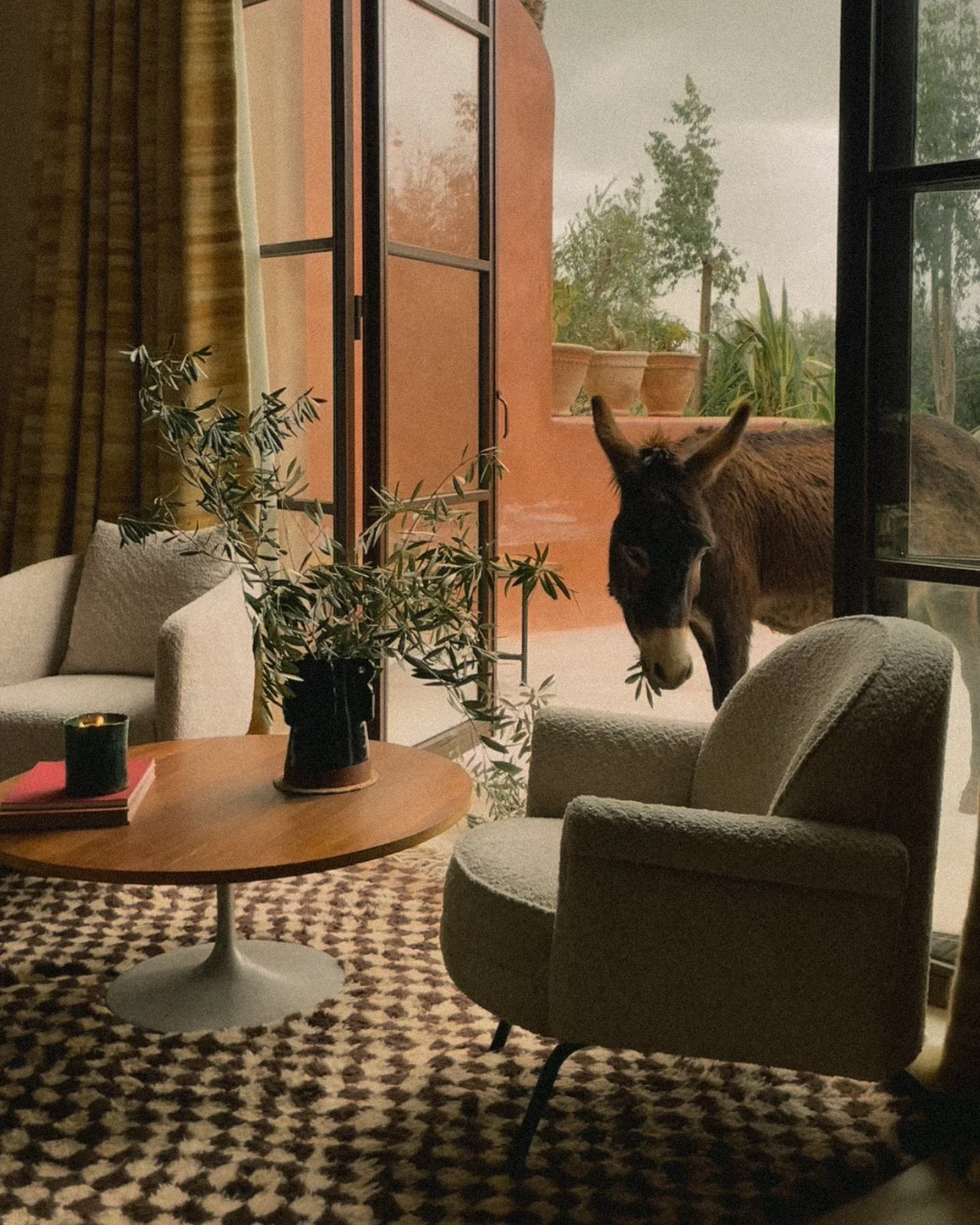
Farasha beautifully creates a feeling of calm and closeness to nature upon arrival, leaving you refreshed by the experience, nourished by the atmosphere, the sun, and especially by sharing meals in a warm, family-like way. The presence of resident donkeys, like the famously named Snoop Dogg (born on 4/20, International Stoners Day), and spunky chickens, further immerses guests in an environment where everyone benefits from being surrounded by nature—to hug donkeys and to pet dogs, a gentle balm for the creative mind.